
On paper, a vacation-style rental can look like a clear winner. A nightly rate several times higher than a monthly rent makes the math tempting. But short-term vs. long-term rentals is rarely a simple income comparison, especially in Orange County, where the first question isn’t “what could I earn?” but “is it even allowed?”.
Start with the rules, because they vary by city
Short-term rental regulations in Orange County are set city by city, and they differ a lot. Some cities restrict or prohibit short-term rentals in residential areas, others allow them only with a permit, and some limit them to owner-occupied homes. Rules also change, so anything you read online, including here, should be confirmed with the city.
A few examples of how different the landscape is. Huntington Beach, according to its ordinance summaries, allows hosted (owner-occupied) short-term rentals with a permit and restricts unhosted rentals to a small, specific area. Irvine is generally reported to prohibit short-term rentals in residential zones, using a threshold of fewer than 31 consecutive days. Other cities, including Newport Beach and Costa Mesa, have their own permit systems or restrictions, and the details are changing and described inconsistently across sources.
Before you run a single number, call or check the city’s website for current rules, permit availability, and penalties. Operating without a required permit can lead to fines, and a rental plan that depends on a permit you can’t get isn’t a plan.
The 30-day line
In California, the 30-day mark is a meaningful dividing line. Stays shorter than that are generally treated as transient lodging, which is where local occupancy taxes (often called TOT or “hotel tax”) come in. Rates vary by city, and some booking platforms collect the tax for you while others don’t. Longer stays are generally treated as tenancies, which brings in landlord-tenant law. The exact thresholds and definitions are set locally and by statute, so confirm them for your city.
How the two models compare
Income. Short-term rentals can bring in higher gross revenue, but income is less predictable. It swings with seasons, events, and reviews, and it depends on keeping the unit booked. Long-term rentals earn less per month on paper but usually deliver steadier, more predictable cash flow.
Costs. Short-term rentals carry costs that long-term rentals mostly don’t: furnishing, cleaning between every stay, supplies, utilities, platform fees, occupancy taxes, and often permit fees. Higher gross revenue doesn’t automatically mean higher net income.
Workload. A short-term rental behaves more like a small hospitality business: guest messaging, check-ins, turnovers, and quick fixes at all hours. A long-term rental involves fewer day-to-day tasks, but more formal obligations around leases, notices, and tenant rights. Many short-term owners hire a specialized manager, which is another cost to factor in.
Risk. Short-term income depends on demand and regulation, and a rule change or permit denial can end the business model quickly. Long-term income depends on tenant quality, which is why tenant screening matters so much. And because California has strong tenant protections, long-term rentals require following legal process if things go wrong, as we’ve covered in our posts on lease violations and what happens when a tenant stops paying.
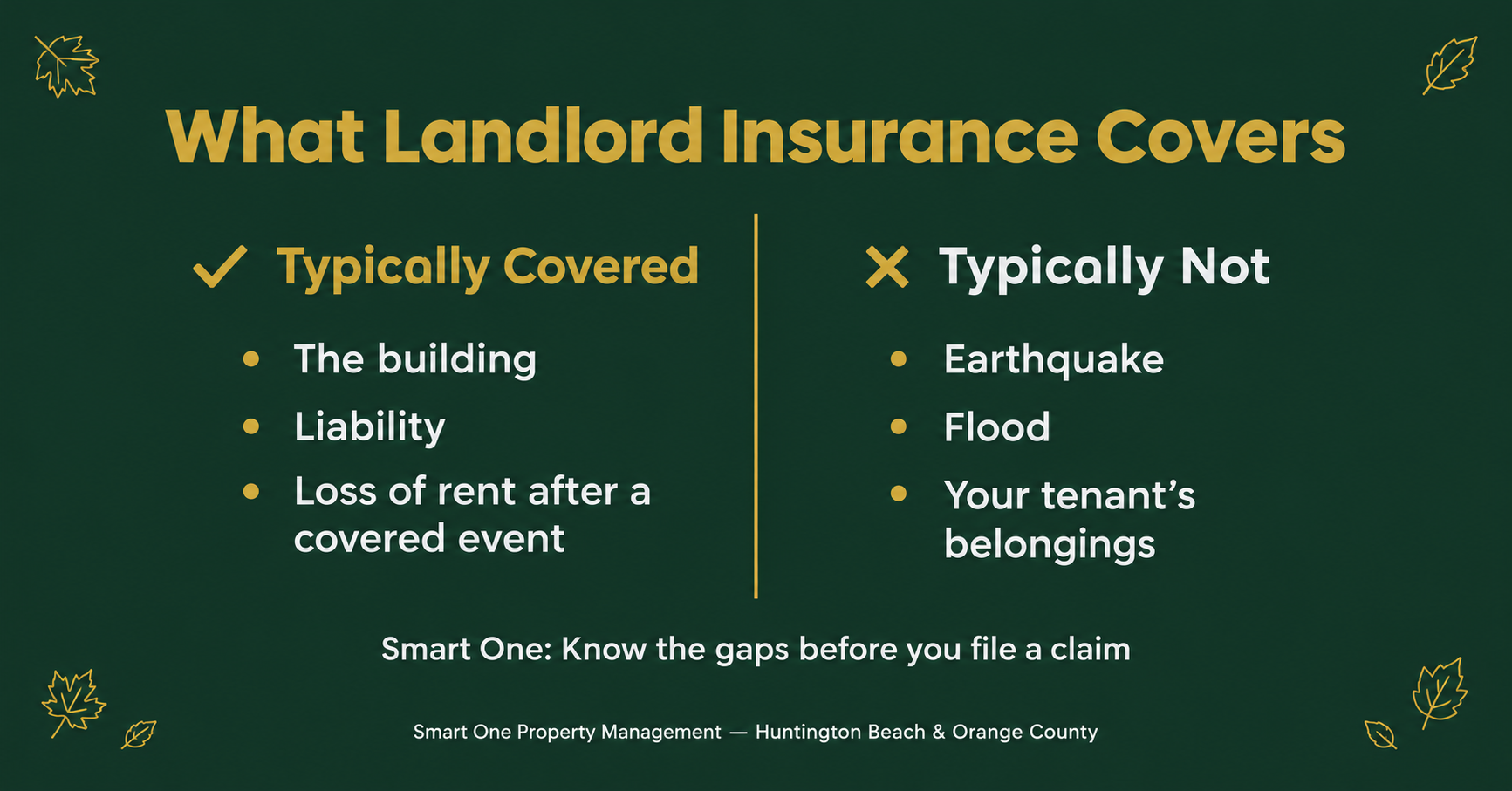
Insurance. A standard landlord policy may not cover a short-term rental, or may limit it. Ask your agent directly, and see our post on what landlord insurance actually covers.
What about in between?
Some owners look at “medium-term” rentals, meaning stays of a month or more, often to traveling professionals. These can sit outside some cities’ short-term rules, but once a stay passes the 30-day mark, tenancy laws may apply, so it’s worth confirming how your city and California law treat them before building a plan around one.
How to decide
A short checklist helps: confirm what your city allows and what permits are actually available, compare net income (not gross) for both models using realistic costs, decide how much hands-on work you want, check your insurance, and think about what happens if the rules change. For many owners, the answer is a stable long-term rental. For some, especially in cities that allow it, a short-term rental makes sense. The best choice is the one that still works in a bad month, not just a good one.
This post is general information, not legal, tax, or insurance advice. Short-term rental rules vary by city and change frequently, so confirm current requirements with your city and a qualified professional.
Weighing your options for your Orange County rental? Reach out to Smart One Property Management.
Sources: Guestable, Orange County Short-Term Rental Rules & Regulations 2026; Avalara, Huntington Beach Legalizes Hosted Short-Term Rentals; Safely, What to Know About California Short-Term Rental Laws.